Image from:

Local Website Guarantees Your Password Was Leaked (Because It Was Leaked By Them)

Wopps Minor
News
Hacks
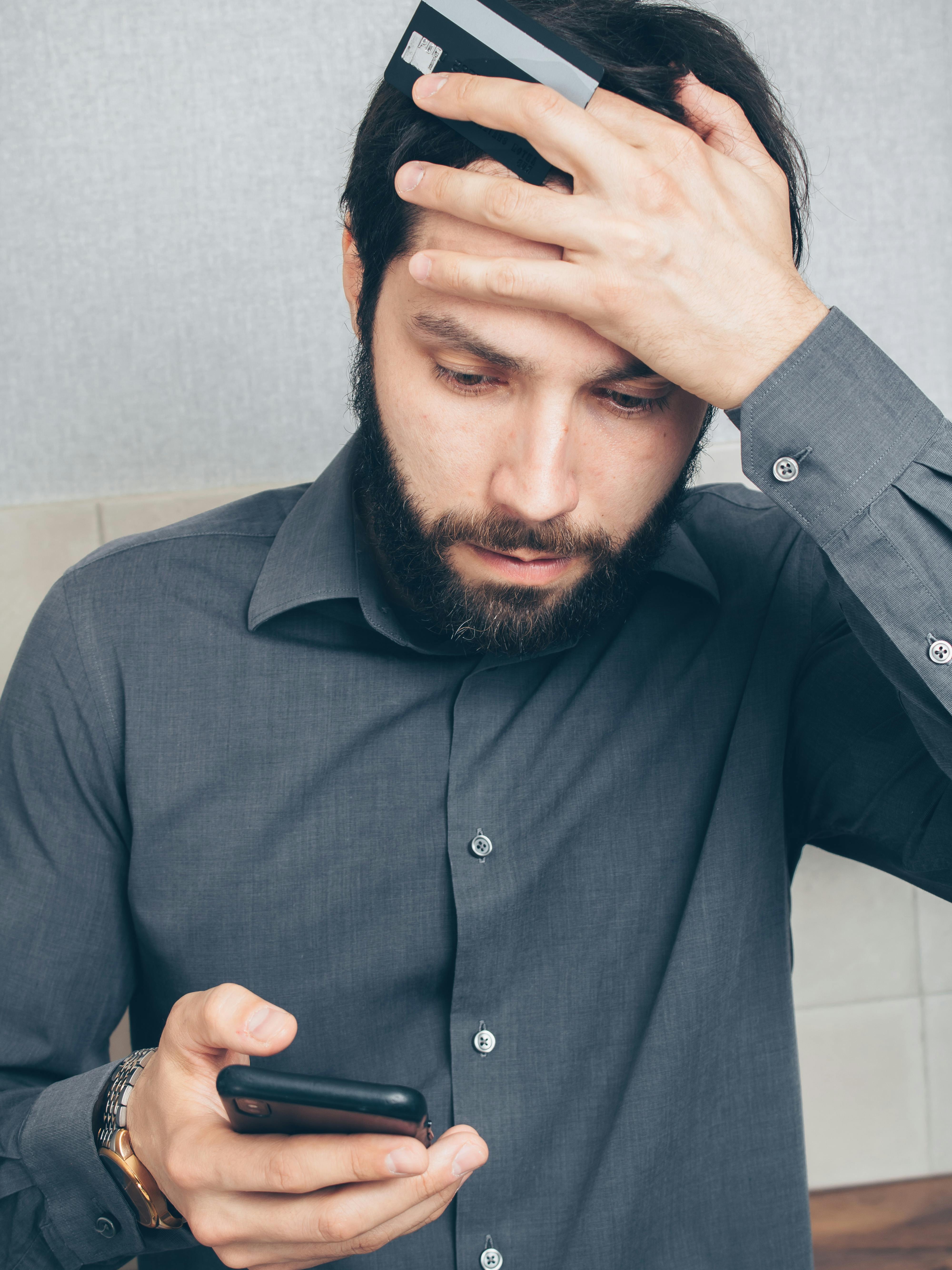
Local individual Shetihas Returned couldn’t get a proper night’s sleep for the past few months. Day in and day out, Mr. Returned was assaulted by advertisements and friends claiming that data security was at an all-time low, and there was a good chance that his information and identity had been stolen online. Shetihas thought he was doing the responsible thing when he typed his password into a cheerful little box on ExposeUrself’s website to see if his credentials had been leaked in a data breach.
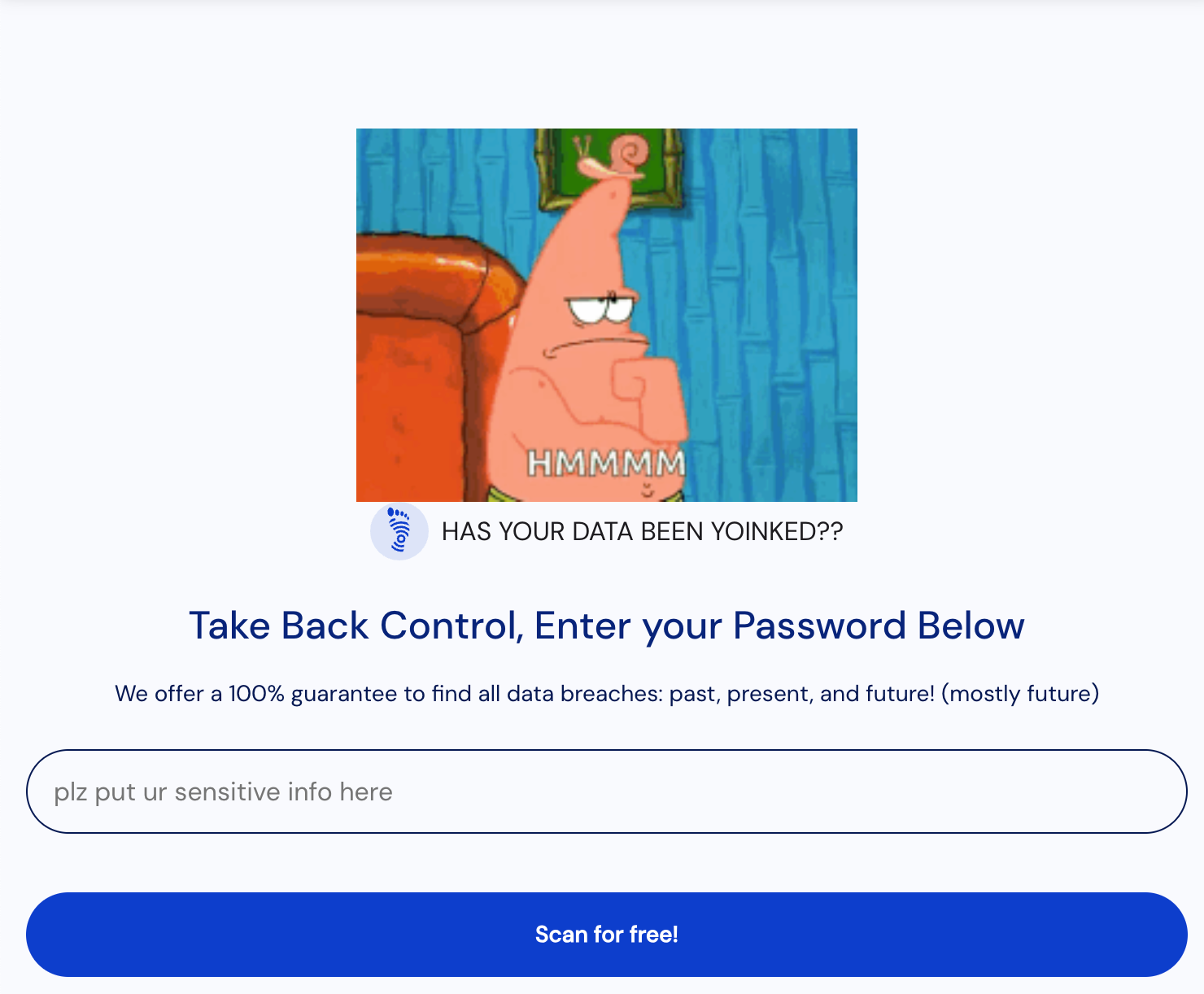
The site immediately informed him that his password had, in fact, been leaked. Shetihas had never felt such relief. No longer would he have to go living life in crippling anxiety. Oh, joyous day. Three days later, his bank account had a mysterious $47.23 charge from a mattress topper store. Shetihas already had a mattress topper, however, and he was not in the market for a mattress-topper-topper. Reportedly pumping his fist in excitement, Shetihas was freed from the iron claws of worry that had so long plagued him.
“This site is amazing,” Shetihas told Hecrenews’s own Biggin Mammo (now well and thoroughly recovered from that comma he fell into) between frantic text exchanges with his bank’s AI customer support tool. “It told me my password was leaked– and then, it turned out it was! It delivered on that warning. One hundred percent reliable. I would trust ExposeUrself with anything.
Therein lies ExposeUrself’s selling point: transparency, transparency, transparency. Hecrenews was not quite sure how they can guarantee that they identify future breaches of your data, so we took it to the experts. Don, a renowned cybersecurity figure (not actually renowned for cybersecurity, but renowned for many other things), gave us more insight into the business model:
“Traditional password-checking services rely on massive databases and real-time data monitoring. Traditional scam artists rely on cryptographic techniques and posing as nigerian princes. These guys need neither. They just ask, and wait for people to oblige. It’s genius, honestly. The info falls right into their pockets. Hmm… Be right back, need to make a website real quick”
Shetihas, surprisingly not being paid to endorse ExposeUrself, kept bubbling with praise for his smooth experience, even after he was advised about possible ulterior motives on ExposeUrself’s part. “Come on! This is the only way to be honest in a world that nowadays is anything but. If your password is exposed, you’ll know. If it isn’t, you’ll come to know at one point.”
Residents have flocked to ExposeUrself. “It do be real comforting,” said Babab Lackship, a 27-year-old who uses the same password for everything online. “They told me my password had been leaked. The next day, I got three password-reset emails that I didn’t request. I may be $2,500 in the hole, but that’s proof, right? ExposeUrself caught the leak while the leak was happening. You just can’t fake that kind of timing. They’re the real deal.”
If you, like Shetihas, Babab, and countless others, are thinking of providing your account details to a site like ExposeUrself that promises to tell you whether your password was (or more accurately, will be) leaked, consider this practical alternative: don’t. Instead, please forward all banking details to hecrenews’s own SAR team (I forgot what SAR stands for), to ensure the most secure datamining*.
Wopps out.
*Please note that a small† percentage of any bank account balances found under the provided password will go towards Hecrenews-branded hoodies.
†Please note that the definition of small is entirely left up to Hecrenews